Home / Blog / Cricket Australia on an IPL fixture Down Under
Cricket Australia leaves the door open for an IPL fixture Down Under.
Cricket Australia has told India Today it does not rule out an IPL match or an India bilateral game being staged in Australia at some stage, while confirming the Ashes will remain inside Australia and England. The Jeeto11 desk reads the statement and what it could change for fantasy XIs.
By the Jeeto11 desk · 8 min read · 4 August 2026
Cricket Australia has told India Today it does not rule out staging an IPL fixture or an India bilateral match in Australia at some point in the future. The same statement drew a clear line elsewhere: there is no current plan to move an Ashes Test outside Australia or England, a position the board has now repeated to the Indian outlet. The remark is significant not because anything is confirmed, but because the door has been opened by a board that, until now, has been careful to keep it shut.
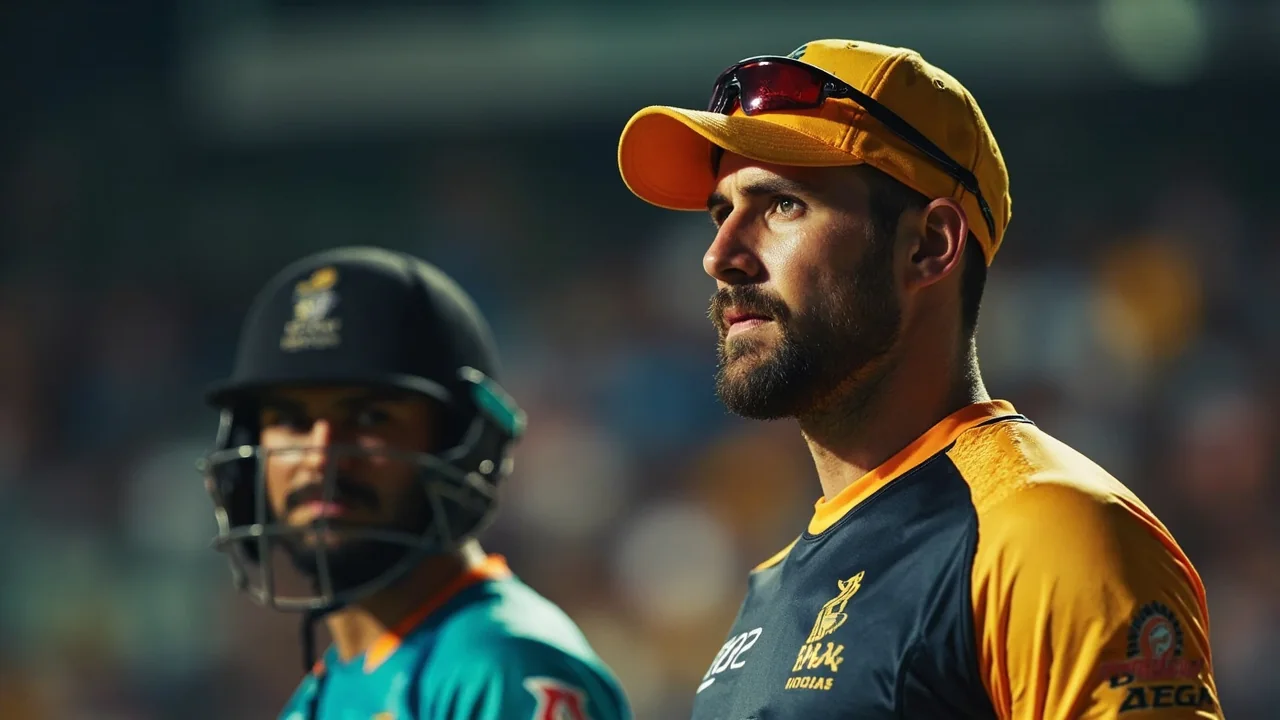
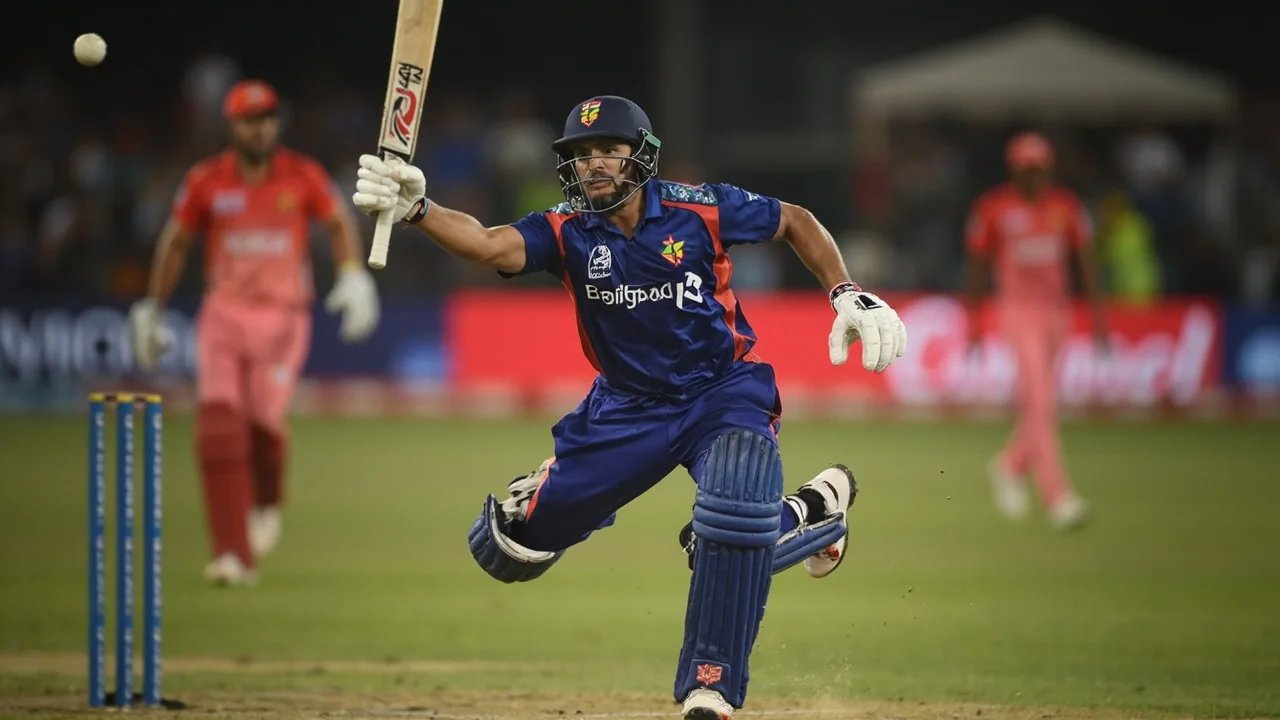
The immediate context is movement in the other direction. The opening match of the 2026-27 Big Bash League, between Melbourne Renegades and Perth Scorchers, will be staged in Chennai. It will be the first official Big Bash League fixture played outside Australia. The Chennai fixture is a one-off, not a structural change to the BBL, and Cricket Australia has been careful to frame it as a reciprocal gesture for the touring access Australia enjoys in India. That framing is now the bridge to the other side of the question: what might Australia host next?
What Cricket Australia actually said
The Cricket Australia line, as reported by India Today, is conditional rather than committing. The board did not announce a fixture. It did not name a season. It did not name a venue. It said only that it does not rule the idea out, and it said it while confirming that the Ashes, the most commercially valuable property the board owns, will stay inside Australia and England. The distinction matters: leaving the door open is a diplomatic posture, not a schedule.
Inside the same exchange, Cricket Australia pointed to the touring value India brings to other ICC members. India's home schedule drives broadcast revenue in markets where bilateral cricket against India is the single most-watched product. By that logic, taking an India-side product overseas, even occasionally, is part of how the modern board-to-board relationship is priced. The statement is, in effect, a price signal dressed as a sporting question.
An India-vs-Australia fixture overseas would reshape the bowling matchup questions, not the batting ones. The desk treats this as a captaincy variable, not a structural one.
Why the Ashes line still holds
Cricket Australia's chief executive Todd Greenberg had previously said the board was open to exploring a 150th-anniversary Ashes Test in India. That earlier remark drew a sharp public response from former England captain Michael Atherton, who argued that moving an Ashes Test away from the two home boards would dilute the rivalry's tradition. The current statement lands as a calibrated reply to that exchange: yes, the board has thought about taking a marquee property abroad, and no, the Ashes is not the product it would test the idea on.
That is a meaningful boundary for fantasy users to read. The board is signalling willingness to experiment with bilateral and franchise formats where the commercial upside is most pronounced, while protecting the property that is least able to absorb a logistical shock. For a daily-play contestant, the practical conclusion is the same one the desk has held all along: the IPL stays anchored in India for the foreseeable future, and the rare overseas fixture, when it happens, will be a marquee rather than a structural change.
What the Chennai BBL game tells us
The Renegades-Scorchers opener in Chennai is the cleanest precedent for the kind of conversation Cricket Australia is now opening up the other way. The fixture was framed as a one-off reciprocal gesture, scheduled against a window where Australian prime-time audiences would not have lost access to a marquee product. Cricket Australia has not signalled any appetite for staging more BBL matches outside Australia; the BBL itself remains a domestic product, sold on Australian prime-time, and a sustained overseas move would damage the league's broadcast economics.
For the BBL, the Chennai game is a single evening of goodwill. For the IPL, the symmetry is harder to read. The IPL is not short of prime-time broadcast in India; it is short of additional international inventory for Australian, South African and English prime-time markets. The board-to-board conversation, in other words, is about expanding the IPL's broadcast footprint rather than the IPL's venue footprint. Any overseas IPL fixture would, in practice, be a one-off broadcast-driven event, not a season extension.
Field placement overseas would track the venue's dimensions, not the home board's default. The captaincy call follows the boundary, not the franchise's flag.
What this actually changes for fantasy XIs
Almost nothing, on the next match day. The IPL's 2026 schedule is fixed, the squads are published, and there is no overseas fixture to plan around. The desk's advice for this week is the same advice the desk has held all season: read the toss, read the surface, read the dew forecast, and treat the captaincy call as the highest-leverage decision in the XI. Nothing in the Cricket Australia statement changes that rubric.
What the statement does change is the long-form calendar question. If an IPL match or India bilateral fixture is staged in Australia in the next two or three seasons, the desk would expect it to be a single marquee fixture rather than a series, scheduled against an Australian prime-time window, and priced as a broadcast product. The captaincy implications are real but narrow: the XI would be built around the boundary dimensions of the chosen venue, the likely surface, and the dew forecast for the Australian evening, rather than the assumed conditions of an Indian evening. The vice-captaincy choice would matter more than usual, because the role-fit question becomes venue-fit rather than franchise-fit.
What the desk will watch next
The next signal to look for is whether Cricket Australia pairs this statement with a venue announcement. The board has a track record of testing a public idea, watching the response, and only then attaching a schedule. If a venue is named, the desk will read it as a working assumption rather than a confirmed fixture; if a date is named, the desk will read it as a fixture. Until either happens, the statement sits in the conditional column, alongside the 150th-anniversary Ashes idea that preceded it.
The desk will also watch for the Indian board's response. A bilateral India-Australia fixture in Australia is a revenue conversation as much as a sporting one, and the BCCI's posture toward overseas expansion has historically been cautious. If the Indian board signals openness, the conversation moves from a Cricket Australia remark to a board-to-board negotiation; if the Indian board stays quiet, the conversation stays where it is. Either way, the desk's daily fantasy-cricket work continues unchanged: read the toss, build the XI, lock the captain.
Build the XI around the toss and the surface.
The desk reads the calendar so you can read the match.