Why the toss is the only reliable variable.
The fixture list is dense this week and the squad sheets are unsettled. The desk walks through why the toss is the single decision that decides most fantasy XIs before a ball is bowled.
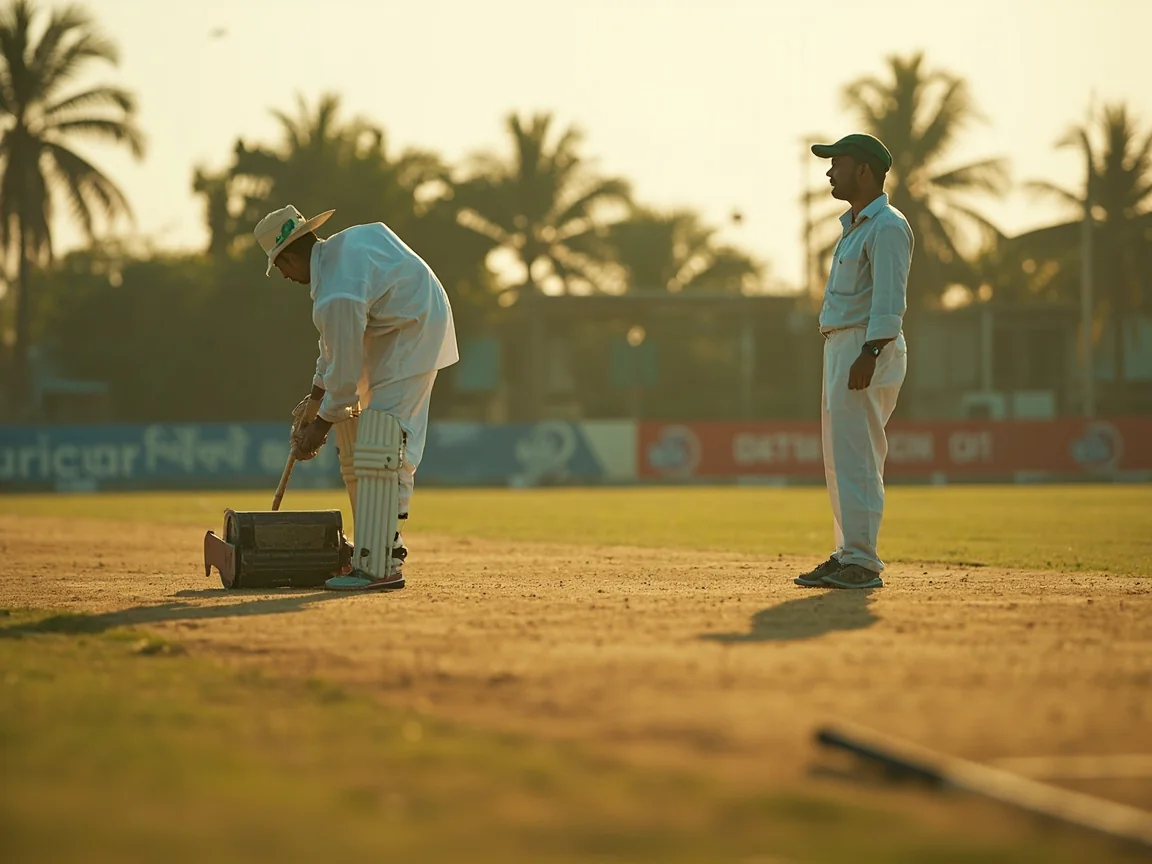
The fixture list is dense this week and the squad sheets are unsettled. The desk walks through why the toss is the single decision that decides most fantasy XIs before a ball is bowled.
The fantasy-cricket rubric — surface, matchup, role, form — gets the desk through most days. But there is one variable the rubric cannot predict: the toss. And on a dense fixture week, the toss is the variable that decides most XIs before a ball is bowled.
Twenty-over cricket rewards the team that bowls second. The chasing side knows the target; the bowling side can plan around the dew. On a flat track with a short square boundary, the chase is worth an extra 15-20 runs in the expected score; on a turning track, the chase is worth the spinner's grip in the second innings.
For the fantasy user, the toss is decisive because it changes the selection problem. If the captain’s side is chasing, the captain is a batting captain by default: the top-order batters face more balls, the death-over bowlers bowl in the second innings with a defined target. If the captain’s side is defending, the captain is a bowling captain: the captain is one of the four bowlers who bowl with a defined target in the second innings.
The desk’s captaincy rubric treats the toss as a tie-breaker, not as a first-order input. The rubric works on most days. But on a dense fixture week, with three or four matches a day across formats and surfaces, the rubric misses the single most decisive variable in each match.
The fix is not to abandon the rubric. The fix is to read the toss as the first input, before the surface. If the toss goes the wrong way for the desk’s pick, the desk re-issues the captaincy call before the first ball.
The desk’s practice is straightforward:
The re-issue is published on the Predictions page with a dated note. The original call is preserved for the record.
Three matches from the past season illustrate the pattern.
Chepauk, March. Spinner-friendly track. The desk’s call was the finger-spinner as captain. The toss went the wrong way; the captaincy moved to the death-overs pacer. The finger-spinner took 2 for 28 in 4 overs; the death pacer took 1 for 42 in 4 overs and held his length at the death. The re-issued call was the right one.
Wankhede, April. Flat track, short straight boundaries. The desk’s call was the power-hitting opener. The toss went the right way; the call held. The opener cleared the infield three times; the captaincy multiplier paid.
Eden Gardens, May. Two-paced track. The desk’s call was the finger-spinner. The toss went the right way; the call held. The spinner took 3 for 24 and won the contest on his own.
The pattern is consistent: the toss is the variable that decides the captaincy, and the desk’s job is to read the toss before the lock.
If you are building your own XI:
The toss is the only reliable variable. Treat it that way.
The desk publishes the captaincy call and the re-issued call for every match on the Predictions page. The next fixture week starts on Monday. The toss matters most on matches where the surface and the dew forecast are both favourable to the chase.
The desk will be watching the toss for every match and re-issuing the call when needed.
The desk reads the toss; you build the XI.